
.png)
The Wonder of How Pearls Are Formed
Nature's Most Magical Gemstone
I've always been captivated by pearls. Their journey from a living mollusk to a luminous gem is unlike any other gemstone in the world. I love their endless variety of shapes, colors, and luster, and I'm constantly amazed by the natural processes that create them. No two pearls are ever exactly alike, which makes each one feel like a tiny work of art created by nature. As a jewelry designer who has worked with pearls for many years, I'm excited to share some of my favorite facts about how pearls form and the fascinating mollusks that bring these treasures to life.
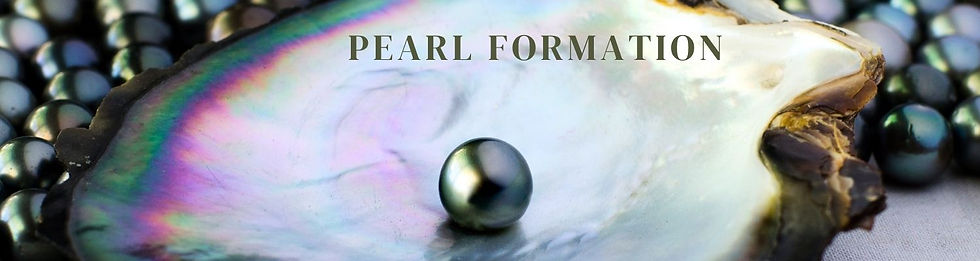
What makes pearls even more fascinating is their origin story. Pearls form inside mollusks; in oceans, lakes, or ponds, when an irritant gets inside the shell. To protect itself, the mollusk coats the irritant in layers of nacre, eventually creating a pearl. The color and tone of the pearl are often influenced by the mollusk's shell, especially the lip. That means every pearl is nature’s unique and patient masterpiece.

Unlike other gemstones that are mined from the earth and cut by human hands, pearls are created by living creatures. They emerge from a process that can take years, making each one a tiny marvel of nature. From luminous white Akoya pearls to peacock-colored Tahitian pearls, every pearl tells a story about the mollusk that created it.
What Is Nacre?

Nacre, often called "mother-of-pearl," is the smooth, iridescent material that lines the inside of certain mollusk shells. When a pearl forms, the mollusk deposits thousands of microscopic layers of nacre around a bead or piece of tissue that is carefully inserted into the mollusk. As these layers build up over time, they create the pearl's beautiful luster and glow.

The quality of the nacre largely determines a pearl's beauty. Thick nacre creates deep, rich luster, while thin nacre can appear dull or chalky. This is why pearl farmers carefully cultivate pearls over several years, allowing enough time for nacre to develop.
The Oysters Behind Saltwater Pearls
Different species of oysters produce different types of pearls, each with their own colors, sizes, and personalities.
Akoya Pearls
Akoya pearls are produced primarily by the Pinctada fucata martensii oyster, found in the coastal waters of Japan, China, and Vietnam.

These oysters are relatively small, producing pearls that are typically white, cream, or silver with delicate rose, silver, or ivory overtones. Akoya pearls are known for their perfectly round shapes and mirror-like luster, making them the classic pearl most people picture when they think of pearl jewelry. The shell's lip is generally light-colored, contributing to the pearl's bright white appearance. But modern Akoya pearls are also seen in baroque shapes and can be seen with natural pastel blue or pink colors.
South Sea Pearls
South Sea pearls come from some of the largest pearl-producing oysters in the world:
Pinctada maxima. These oysters are found in Australia, Indonesia, and the Philippines and occur in two primary varieties:
Silver-lipped oysters
Gold-lipped oysters

The color of the oyster's lip often influences the color of the pearl it produces.
Silver-lipped oysters tend to produce white, silver, and icy-toned pearls.
Gold-lipped oysters produce pearls ranging from soft champagne to rich golden hues.
South Sea pearls are prized for their large size, luxurious satin luster, and warm glow.
Tahitian Pearls
My personal favorite pearls are Tahitian pearls, produced by the Pinctada margaritifera, commonly known as the black-lipped oyster.
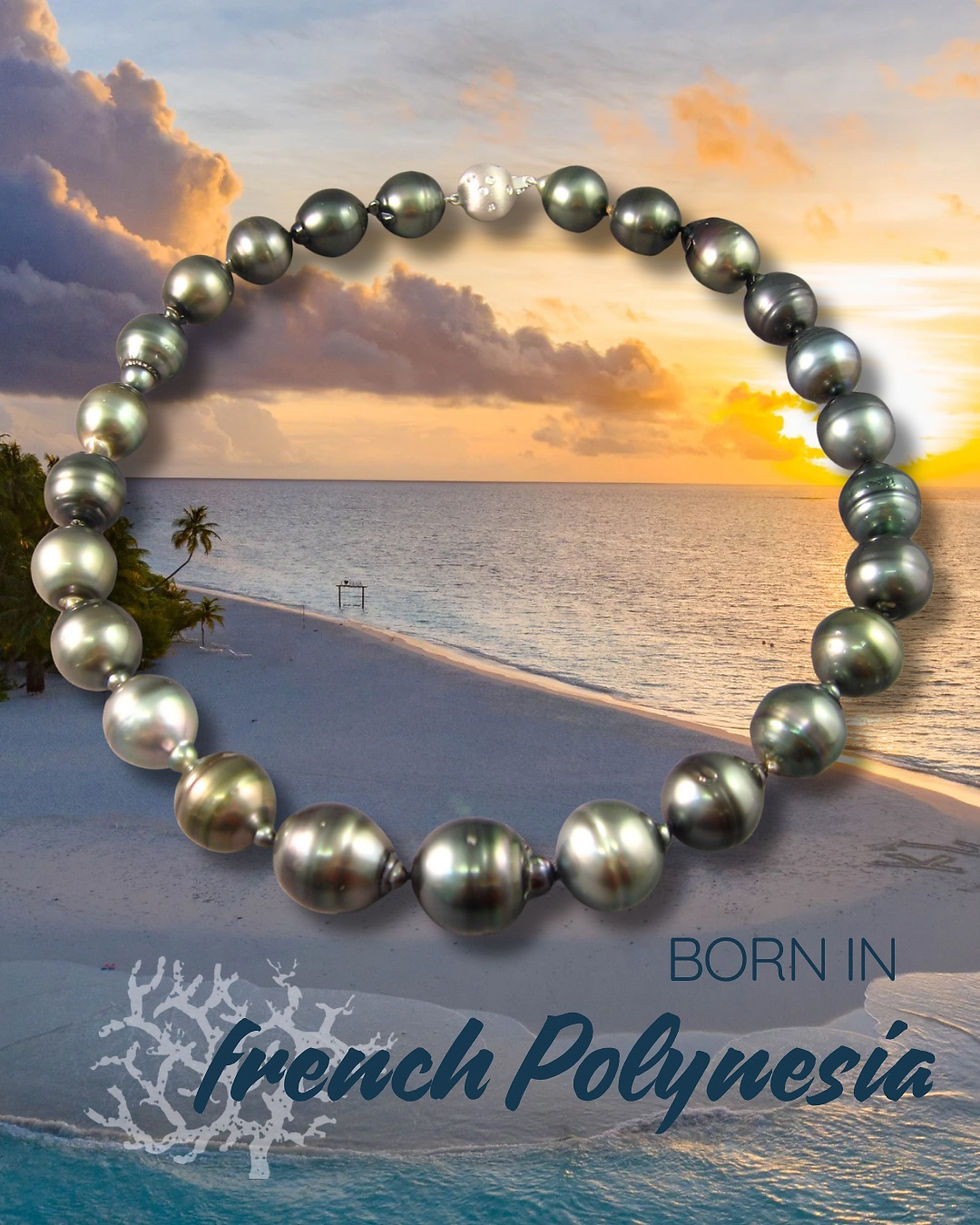
These oysters are cultivated throughout French Polynesia and are famous for producing naturally dark pearls. While many people think Tahitian pearls are simply black, they actually occur in a stunning range of colors including:
Dark gray
Peacock green
Purple
Blue
Bronze
Pistachio green
Silver
White
The dark lip of the oyster contributes to the pearl's naturally dramatic body color. The unique combination of pigments and light-reflecting nacre creates the mesmerizing overtones that make Tahitian pearls so captivating.
Freshwater Mussels and Their Pearls
Freshwater pearls come from mussels rather than oysters. These mollusks live in rivers, lakes, and ponds, primarily in China.

Unlike saltwater oysters, freshwater mussels can produce dozens of pearls at a time, which helps make freshwater pearls more accessible and affordable.
Freshwater pearls are known for their incredible variety of shapes, including:
Round
Oval
Button
Coin
Baroque
Keshi-like forms
Their colors can range from white and cream to naturally occurring shades of peach, lavender, pink, and even soft metallic tones.
Many freshwater mussel species have shells with pink, lavender, or cream-colored interiors, which influence the delicate pastel colors often seen in their pearls.
How the Mollusk's Lip Influences Pearl Color
One of the most fascinating aspects of pearl formation is the relationship between the mollusk's shell and the pearl itself.

The lip refers to the outer edge of the shell opening. Different species have different lip colors, and these colors often correspond to the pearl colors they produce.
For example:
Black-lipped oysters produce dark Tahitian pearls.
Gold-lipped oysters produce golden South Sea pearls.
Silver-lipped oysters produce white and silver South Sea pearls.
Light-lipped Akoya oysters produce bright white pearls.
Freshwater mussels often contribute soft pastel tones.
While the lip color doesn't act like a paintbrush directly coloring the pearl, it reflects the pigments and biological characteristics of the mollusk that influence the nacre being deposited. The result is a beautiful connection between the creature and the gem it creates.
Every Pearl Is One of a Kind

No two pearls are exactly alike. Tiny differences in nacre formation, water conditions, genetics, and time create subtle variations in color, shape, luster, and surface texture.
That uniqueness is part of what makes pearls so special. Whether it's a perfectly round Akoya pearl, a glowing golden South Sea pearl, a peacock-colored Tahitian pearl, or a wonderfully irregular baroque freshwater pearl, each one is a reminder that nature rarely repeats herself.
Perhaps that's why pearls have captivated people for thousands of years. They are not simply gemstones; they are living works of art, patiently created by the sea and shaped by time.
Here is a slideshow of a few of the extraordinary pearls i've worked with.


Comments